 admin
adminFor many international workers, fruit picking jobs in Canada represent one of the most realistic and accessible pathways to working abroad legally – without a university degree, without years of specialised experience, and without navigating the complexity of highly competitive immigration streams. These are real jobs, with real wages, offered by real farms that depend on foreign labour every single harvest season.
What makes this opportunity genuinely valuable is not just the income – it is the combination of visa sponsorship, accommodation support, and government-backed programs that give it structure and legitimacy. This guide explains how the system works, what the jobs involve, what you will earn, and exactly how to pursue these opportunities through the right channels.
Why Canadian Farms Hire Foreign Workers Every Year
Canada’s agricultural sector faces a persistent and well-documented labour shortage. Domestic workers in sufficient numbers simply are not available or willing to fill seasonal farm roles, particularly in rural and remote growing regions. This is not a new problem – it is a structural reality that the Canadian government has addressed by building formal immigration programs specifically designed to connect foreign workers with agricultural employers.
The two primary programs operating in this space are the Temporary Foreign Worker Program and the Seasonal Agricultural Worker Program. Both allow Canadian farms to recruit internationally when local recruitment has been exhausted. Employers participating in these programs are vetted, and the positions they offer come with legal protections for workers – covering wages, working conditions, and accommodation standards.
This government-backed structure is precisely what separates legitimate fruit picking opportunities from the fraudulent listings that also circulate in this space.
Where the Jobs Are Located and When
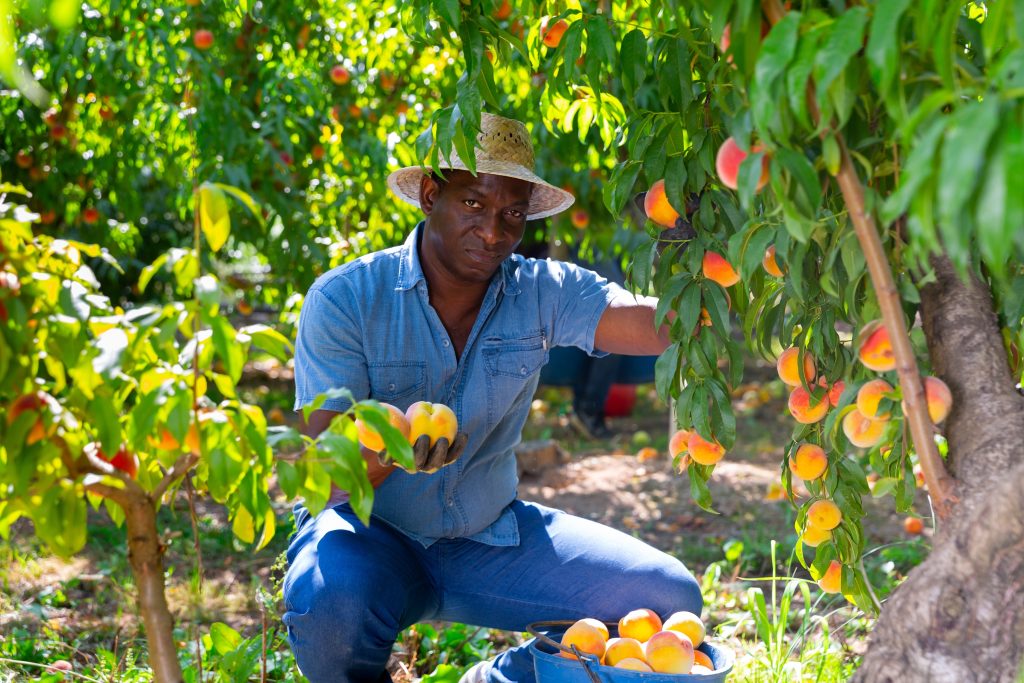
The majority of fruit picking work is concentrated in specific provinces during specific seasons. British Columbia is the largest employer of seasonal agricultural workers, with cherries, apples, and a variety of berries all harvested across its Interior and Fraser Valley regions. Ontario’s Niagara region produces apples, grapes, and peaches in significant volumes. Nova Scotia is known for apple and blueberry harvests, while Quebec employs seasonal workers across berry and vegetable operations.
Most harvesting seasons run from May through October, though the exact window depends on the crop and the province. Greenhouse operations in Alberta and Ontario offer work that extends beyond the traditional outdoor harvest season, sometimes into year-round employment for experienced workers.
Most workers on seasonal contracts work between eight and ten hours per day during peak harvest periods. The work is physically demanding – this is important to understand clearly before applying. Candidates who are physically fit, comfortable working outdoors in varying weather, and prepared for the pace of harvest season will adapt far more easily than those who underestimate what the role requires.
Don’t miss: What It Really Takes to Earn $200,000 and Above From High Paying Remote Jobs in Canada
What the Work Involves and What It Pays
Apple Picking
Apple pickers harvest from orchard trees, sort fruit by quality, and pack produce into crates for transport. The work involves extended periods on ladders and carrying loaded crates across uneven terrain. Hourly wages range from $17 to $21.
Cherry Picking
Similar to apple picking in its physical demands, cherry harvesting requires particular care to avoid bruising the fruit during collection and packing. Hourly wages range from $17 to $22 – among the higher rates in the seasonal agricultural sector.
Berry Picking
Strawberries, raspberries, and blueberries are harvested by hand, often in a bent or crouching position for extended periods. Quality inspection and careful handling are part of the role. Hourly wages range from $16 to $20.
Orchard Farm Worker
This broader role covers planting, irrigation, pruning, and harvesting across an orchard operation. It is less specialised than single-crop picking but offers more variety across the season. Hourly wages range from $16 to $18.
Greenhouse Worker
Greenhouse roles involve harvesting vegetables and fruits in a controlled indoor environment, maintaining plant growth conditions, and packaging produce. The work is less weather-dependent and can extend beyond the outdoor harvest season. Hourly wages range from $17 to $21.
Across all these roles, monthly earnings typically fall between $2,400 and $3,500 depending on hours worked and the province. Many employers also offer free or subsidised accommodation on or near the farm, transportation to and from the worksite, overtime pay during peak periods, and in some cases performance bonuses tied to output.
The Visa Sponsorship Process: How It Actually Works
When a Canadian farm wants to hire a foreign worker, they must first obtain a Labour Market Impact Assessment – commonly referred to as an LMIA. This is a document issued by the Canadian government that confirms no suitable Canadian worker was available for the role and that the employer is authorised to recruit internationally.
An LMIA number attached to a job offer is one of the clearest signals that the opportunity is legitimate. If a job offer does not reference LMIA approval, or if an employer claims you do not need one, treat that as a significant red flag.
Once you receive a formal job offer with LMIA approval, you apply for a work permit through Immigration, Refugees and Citizenship Canada. The documents required typically include your job offer letter, the LMIA number, a valid passport, a medical examination, and a police clearance certificate. The employer guides this process, but understanding it in advance puts you in a stronger position.
Who Can Apply
Fruit picking jobs are among the most accessible forms of international employment available, but basic requirements still apply.
- Applicants must be at least 18 years old and hold a valid international passport.
- Physical fitness for manual outdoor labour is essential and non-negotiable – employers will not hire candidates who cannot sustain the physical demands of the role.
- A willingness to relocate to rural farm areas for the duration of the contract is also required.
A university degree is not required. Advanced English or French proficiency is not required, though basic communication ability is helpful for understanding instructions and interacting with supervisors. IELTS is not a requirement for most fruit picking positions.
Previous farming experience is an advantage but not a barrier to entry. Experience in construction, warehouse work, cleaning, or any other physically demanding role demonstrates the work ethic and physical capacity that employers value.
Where to Find Legitimate Job Listings
The Government of Canada Job Bank is the most reliable starting point. This is the official federal platform where agricultural employers post positions open to foreign workers, and every listing there carries a level of credibility that third-party sites cannot match.
- Indeed Canada is widely used by farms recruiting internationally and allows you to search with specific terms like farm worker LMIA, seasonal agricultural worker Canada, and fruit picker visa sponsorship to filter toward sponsored positions.
- AgriRecruit Canada is a platform dedicated specifically to agricultural recruitment, covering fruit harvesting, greenhouse work, and related seasonal roles. Farm Jobs Canada similarly focuses on agricultural employment and carries listings from farms across multiple provinces.
Among the farms with established records of hiring foreign workers through the Temporary Foreign Worker Program are:
- Jealous Fruits,
- Gwillimdale Farms,
- Sandher Fruit Packers,
- Vineland Growers,
- Scotian Gold.
Applying directly to farms with this track record alongside your platform search gives you additional avenues.
How to Apply: A Step-by-Step Approach
- Your resume for a farm worker application does not need to be elaborate, but it does need to be clear and honest. Include your full contact details, a summary of any physical work experience – farming, construction, warehouse, cleaning, or similar – your language abilities, and your passport information. Accuracy matters more than presentation at this level.
- Search for LMIA-approved positions specifically. The presence of an LMIA number in the job listing or offer is the critical verification step that confirms the employer is authorised to hire you legally.
- Apply to multiple farms simultaneously across the platforms listed above. Submit your resume, a copy of your passport details page, and a brief cover letter confirming your availability and physical readiness for the role.
- Some employers conduct short phone or video interviews to confirm basic suitability. Common questions cover your physical fitness, any previous farm or outdoor work experience, your willingness to work long hours during harvest season, and when you are available to travel. Answer honestly and specifically.
If selected, you will receive a formal employment contract and LMIA documentation. Once you have these in hand, proceed with your work permit application through the official Immigration, Refugees and Citizenship Canada website. After approval, book your travel and prepare to arrive on time as specified in your contract.
Protecting Yourself From Scams
Because fruit picking jobs attract significant global interest, fraudulent listings are common. The rules for protecting yourself are straightforward. Never pay an agent, recruiter, or employer any fee to access a job, process a visa, or secure a placement. Legitimate employers and government programs do not charge workers for these services at any stage.
Always verify that a job offer includes a genuine LMIA number. If an employer cannot or will not provide this documentation, the offer is not legitimate. Apply only through official platforms and verified farm employer websites. Cross-reference any employer you are considering against reviews or government records before sharing personal documents.
Can This Lead to Permanent Residency
For some workers, seasonal agricultural employment in Canada is not just a short-term income opportunity – it is a stepping stone toward longer-term immigration. The Agri-Food Immigration Pilot is a federal programme that allows experienced agricultural workers who have worked in Canada to apply for permanent residency. Provincial Nominee Programs in certain provinces also create pathways for agricultural workers with established records in the country.
These pathways are not guaranteed and require meeting additional criteria, but they are genuine and have been used successfully by seasonal workers who returned for multiple seasons and built relationships with their employers.
Fruit picking jobs in Canada in 2026 offer something that is increasingly rare in international work opportunities – genuine accessibility. You do not need a degree, a specialised skill set, or years of professional experience. What you need is physical readiness, honest preparation, and the discipline to pursue legitimate channels rather than shortcuts.
If you have worked in Canada through a seasonal agricultural program or are currently in the process of applying, share your experience in the comments. Practical, firsthand guidance from someone who has been through this process is often exactly what another applicant needs to move forward with confidence.


 admin
admin