 admin
adminThe UK logistics and warehousing sector is one of the most consistently active employment environments in the country. E-commerce growth, supply chain expansion, and the sustained demand from retail, manufacturing, and food distribution have created a persistent need for skilled forklift operators across every region. For candidates who hold the right certifications, demonstrate reliability, and understand what UK employers actually look for, this is a sector where work is genuinely accessible and career progression is real.
This guide covers the role honestly – what the work involves day to day, which certifications you need, what different positions pay, which industries hire consistently, and how to build an application that gets you hired.
What a Forklift Operator Actually Does
A forklift operator is not simply someone who drives machinery from one end of a warehouse to another. The role carries direct responsibility for the safety of colleagues, the integrity of stock, and the efficiency of an operation that many other workers and systems depend on. Employers hire for this role expecting a professional who takes that responsibility seriously.
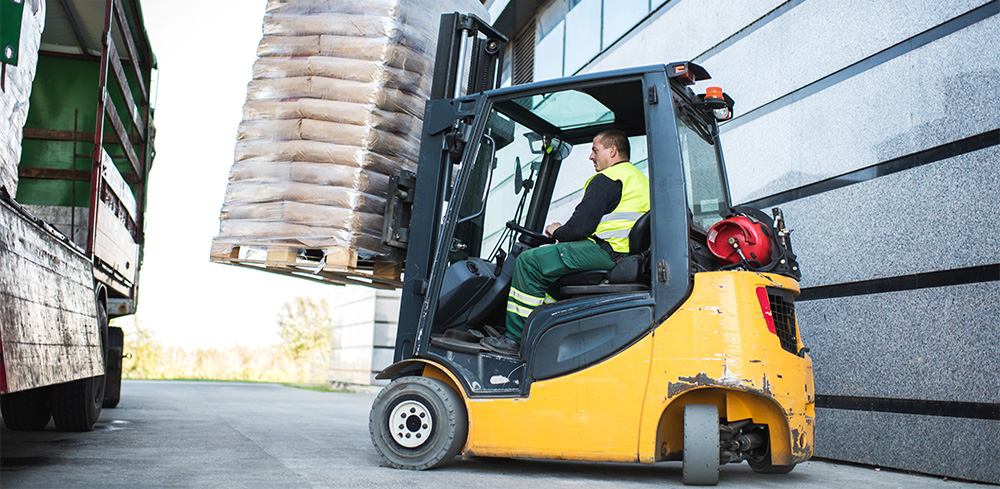
Day to day, forklift operators load and unload deliveries from trucks and containers, move goods within warehouses and distribution centres to designated storage locations, pick and pack orders for dispatch, conduct pre-shift safety checks on their equipment, update inventory systems through logs or handheld devices, inspect goods for damage and report issues promptly to supervisors, and maintain strict adherence to health and safety protocols throughout every shift.
The work is physically demanding – you will stand, manoeuvre, and stay alert for extended periods under time pressure – and it operates within a team environment where communication and dependability matter as much as technical skill. A forklift operator who works accurately and safely without needing constant supervision is a valuable asset in any logistics operation. Employers feel this distinction acutely and hire accordingly.
The Types of Forklift Roles Available
The UK warehousing sector uses several categories of forklift equipment, each requiring specific certification and suited to different operational environments.
- Counterbalance Forklift Operators work with the most commonly used forklift type – suitable for heavy lifting on flat surfaces in open warehouse environments. This is the standard entry point for most operators and the certification most widely held and recognised.
- Reach Truck Operators work in narrow aisle environments with high-racking storage systems. These roles require precise control in tighter spaces and are common in large distribution centres where vertical storage density is a priority.
- Very Narrow Aisle Truck Operators work in high-density storage warehouses where space is at a premium and vertical height is maximised. This is a specialist certification that commands higher wages and fewer competing candidates.
- Side Loader Operators handle long or wide loads – timber, steel sections, and similar materials – that cannot be carried conventionally. These roles are common in manufacturing, construction materials, and industrial logistics.
- Pallet Truck Operators handle low-level horizontal movement of goods and are typically the entry-level category within the forklift operator spectrum, often combined with other warehouse duties.
Each category requires its own certification, and holding multiple certifications significantly broadens your employability and your earning potential across the sector.
The Certifications You Need
UK employers and site safety regulations require forklift operators to hold a valid certification from a recognised training body. The two main certification schemes are RTITB and ITSSAR – both are nationally recognised and accepted by employers across the country. Your certification must reflect the specific type of equipment you will operate.
To obtain certification you complete a formal training course combining classroom instruction with practical equipment assessment. Training providers operate across the UK and abroad for international candidates. The cost varies by provider and equipment category, but investing in valid certification before you apply is the most direct way to improve your employability in this sector.
For international candidates whose certifications were obtained outside the UK, some employers will accept equivalent international qualifications subject to assessment, while others require UK recertification. Clarifying this with your target employer or a specialist logistics recruiter before you apply prevents mismatched expectations.
What the Role Pays
Forklift operator wages in the UK reflect experience level, certification category, shift pattern, and employer.
- Entry-level operators with standard counterbalance certification typically earn between £11.50 and £13.50 per hour – equivalent to roughly £24,000 to £28,000 annually on standard hours.
- Experienced operators with multiple certifications, particularly reach truck or VNA, earn between £13.50 and £16.50 per hour, with annual earnings ranging from £28,000 to £34,000 or above on full-time hours.
Shift differentials – additional pay for nights, weekends, and bank holidays – can add meaningful income above base wages for operators willing to take less popular shifts. Overtime rates, attendance bonuses, and performance incentives are offered by several major employers, particularly during peak periods in retail logistics and e-commerce fulfilment.
Compared to many entry-level roles in retail, hospitality, and general labour, forklift operator positions offer higher starting wages, greater stability, and better long-term earning potential as certifications and experience accumulate. The sector is also not subject to the seasonal volatility that affects some other industries – logistics operations run year-round and the demand for operators does not significantly diminish between peak periods.
The Industries and Employers Hiring Consistently
- Retail and e-commerce warehousing generates the largest volume of forklift operator jobs in the UK. Major distribution centres operated by Amazon, Tesco, ASDA, Sainsbury’s, and large third-party logistics providers are among the most active employers, with multiple sites across the country and consistent recruitment needs driven by online shopping volumes.
- Manufacturing and construction materials logistics require operators for moving raw materials, finished goods, and heavy components within factory and yard environments. Food and beverage distribution operates intensive logistics networks with strong and consistent demand. Automotive and aerospace parts logistics require precision handling and are among the better-compensated segments of the sector.
- Third-party logistics providers – companies that manage warehousing and distribution operations on behalf of multiple clients – are significant employers of forklift operators and often offer more varied work environments and faster career progression than single-client operations.
Geographically, the largest concentrations of forklift operator roles are in London, Birmingham, Manchester, Coventry, Northampton, Milton Keynes, and Doncaster – major logistics hubs where motorway access and distribution infrastructure make them natural centres for national supply chain operations. Rural and industrial locations across the country also carry consistent demand, often with lower competition for available roles.
How to Build a Strong Application
- Your CV for a forklift operator role should be clear, concise, and immediately informative. Lead with your certifications – RTITB, ITSSAR, and the specific equipment types you are qualified to operate. Employers screening forklift CVs look for this information first, and burying it below other content slows down the assessment of your suitability.
- List your work history in reverse chronological order with specific information about each role – the type of facility, the equipment you operated, the volume of goods you handled, and any safety records or operational achievements you can point to. Evidence of reliability – consistent attendance, long tenure in previous roles, or recognition for accurate and safe performance – is highly valued by logistics employers who depend on staff showing up and performing consistently.
- Include any additional warehouse qualifications alongside your forklift certifications – health and safety training, manual handling certificates, or experience with warehouse management systems and handheld scanning technology all add to your profile.
- Specialist logistics recruitment agencies are worth engaging alongside direct applications. Agencies including Hays Logistics, Manpower, and logistics-focused local agencies maintain active relationships with employers and access vacancies that are not always publicly advertised. Register with two or three, submit a complete and accurate CV, and stay in regular contact with your consultant.
Preparing for the Hiring Process
- Most UK employers conduct a brief interview for forklift operator roles and in many cases a practical assessment on site. The interview will typically cover your experience with specific equipment, your approach to pre-shift safety checks, how you handle the physical demands of the role, and your availability for shifts.
- Be specific when answering questions about your experience – the type of forklift, the environment you worked in, the load weights and storage configurations you managed, and any safety or accuracy achievements you can reference. Vague answers about general warehouse experience are less persuasive than concrete descriptions of what you have actually done.
- For the practical assessment, demonstrate that you treat the equipment seriously from the moment you approach it. Conducting your pre-operational check visibly and systematically, maintaining smooth and deliberate control throughout the assessment, and communicating clearly with the assessor all signal the professionalism that distinguishes candidates who get offered contracts from those who are not.
For International Candidates
Forklift operator roles are classified as skilled work under UK immigration rules, and international candidates require a Skilled Worker visa to work legally in the UK. This requires a job offer from a UK employer holding a valid sponsorship licence and a Certificate of Sponsorship confirming the role and salary. Verifying an employer’s sponsorship status on the UK government’s Register of Licensed Sponsors before investing time in an application prevents wasted effort.
The logistics sector includes employers of sufficient scale – major distribution centres and third-party logistics operators – to have the infrastructure and experience to support international recruitment and sponsorship. Targeting these larger employers specifically, and being direct about your visa requirements in your application, is the most efficient approach for international candidates.
No legitimate UK employer charges a fee to process a job application or sponsor a visa. Any contact requesting payment at any stage is fraudulent.
Career Progression From Forklift Operator
The forklift operator role is a genuine entry point into a logistics career with clear progression opportunities for those who invest in their development. Operators who demonstrate reliability, accuracy, and the ability to work across multiple equipment types position themselves for advancement to senior operator, team leader, shift supervisor, and warehouse manager roles over time.
Adding VNA or side loader certification to a standard counterbalance licence broadens your value to employers immediately and typically results in a direct wage increase. Completing a health and safety qualification such as IOSH Working Safely or a first aid certificate adds to your profile further. Operators who develop supervisory skills and express interest in advancement find that the logistics sector responds to initiative with opportunity – the same shortage of skilled operators that creates entry-level demand also creates demand for experienced people willing to take on leadership responsibilities.
Forklift operator work in the UK is demanding, requires genuine skill and consistent professionalism, and rewards those qualities with stable employment, competitive wages, and a clear path toward advancement. For candidates who hold the right certifications and approach the job market with a well-prepared application, this is one of the more accessible routes to reliable, well-paid work in the country.
If you are currently working as a forklift operator in the UK or have recently gone through the hiring process in this sector, share what has worked for you in the comments. Practical, firsthand guidance from someone who knows this environment is consistently the most useful resource another candidate can find.


 admin
admin